Originally published December 1, 2024 · Updated October 2026 with the ruling · By the VapeOwls Team · General information, not legal advice
Quick answer: In FDA v. Wages and White Lion Investments, the Supreme Court sided with the FDA on April 2, 2025. The unanimous Court held the FDA did not unlawfully change its rules when it denied flavored e-liquid applications, and sent one narrower issue about marketing plans back to the Fifth Circuit. The result kept the FDA’s strict approach to flavored vapes in place.
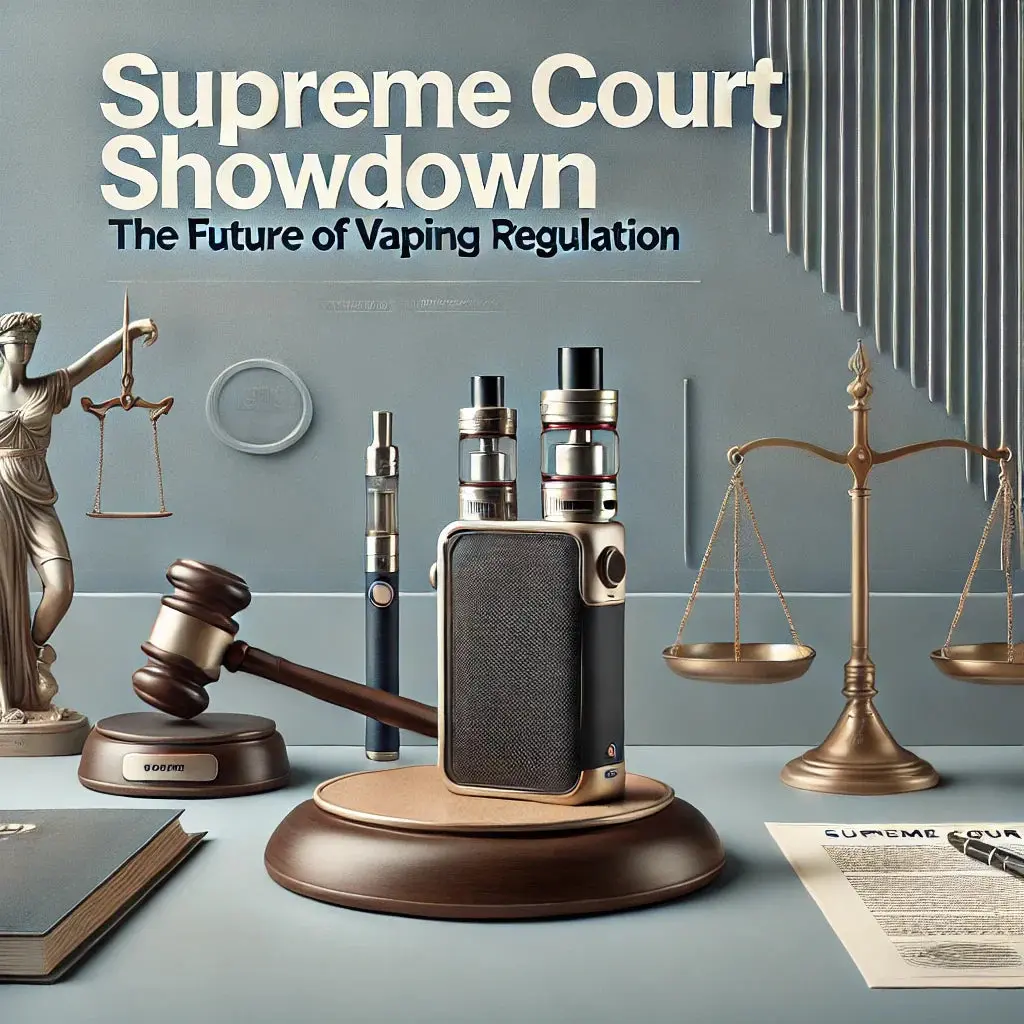
The case, FDA v. Wages and White Lion Investments, L.L.C. (No. 23-1038), was argued on December 2, 2024. It centered on the FDA’s premarket tobacco application (PMTA) process and the marketing denial orders (MDOs) it issued to flavored e-liquid makers. Below is the original background, now updated with the outcome.
Table of Contents
The Ruling: What the Supreme Court Decided
On April 2, 2025, the Supreme Court ruled unanimously in Wages and White Lion, in an opinion by Justice Alito. The Court rejected the Fifth Circuit’s view that the FDA had unlawfully switched its standards on the companies: it found the agency’s guidance and its denial orders were consistent enough to stand. The Court then vacated the Fifth Circuit’s judgment and sent the case back for that court to reconsider a narrower question, whether the FDA’s failure to review the companies’ marketing plans was a harmless error.
| Question | Outcome |
|---|---|
| Did the FDA unlawfully change its PMTA standards? | No, the Court sided with the FDA |
| Was ignoring marketing plans harmless? | Sent back to the Fifth Circuit |
| Vote | Unanimous (9–0) |
| Date | April 2, 2025 |
What Was at Stake Before the Supreme Court Ruling
If Triton Wins
- The FDA may need to overhaul its PMTA process, making it more transparent and fair.
- All MDOs issued since 2021 could be invalidated.
- The FDA could be forced to abandon parts of its 2016 Deeming Rule, which brought vaping products under its regulatory authority.
If the FDA Wins
- The current regulatory framework will remain, favoring large tobacco companies with authorized menthol-flavored products.
Flavored e-liquids and open-system devices could face an uncertain future, likely disappearing from the legal U.S. market.
This pivotal decision will shape the vaping industry’s trajectory for years to come.
What Led to This Case?
The case originated from the FDA’s rejection of PMTAs submitted by Triton Distribution (also known as Wages and White Lion Investments, LLC) and its partner Vapetasia. Triton challenged the rejection, arguing that the FDA acted in an arbitrary and capricious manner by shifting its PMTA requirements after the submission deadline.
The Fifth Circuit Decision:
In January 2024, the Fifth Circuit ruled in favor of Triton, calling out the FDA for failing to follow proper procedures and issuing “cookie-cutter” MDOs based on unpublished standards. The court criticized the FDA’s approach as a regulatory “surprise switcheroo.”FDA’s Appeal to the Supreme Court:
After facing repeated losses in the Fifth Circuit, the FDA petitioned the Supreme Court to review the case, potentially reversing the lower court’s decision and preserving its current regulatory practices.
Core Issues to Be Decided
1. Shifting PMTA Standards
The FDA introduced new requirements for flavored products—such as randomized controlled trials—after the PMTA deadline. Triton argued this violated the Administrative Procedure Act (APA), as it essentially created new rules without public input.
2. Failure to Follow Rulemaking Procedures
The FDA bypassed APA-mandated notice-and-comment rulemaking, effectively imposing a de facto ban on flavored products through its PMTA denials. This shortcut circumvented the required process for implementing a formal flavor ban.
3. Marketing Plan Neglect
Although the FDA initially emphasized the importance of marketing plans to prevent youth usage, it later dismissed these plans, citing inefficiency. This inconsistency has been labeled a “harmless error,” but it highlights the agency’s flawed decision-making process.
Supreme Court Oral Arguments (December 2, 2024)
Triton Representation: Eric Heyer, a seasoned attorney for vaping businesses, will argue on behalf of Triton.
FDA Representation: Curtis Gannon, Deputy Solicitor General, will represent the FDA.
Eric Heyer argued for Triton and Deputy Solicitor General Curtis Gannon argued for the FDA. The justices’ questions focused on whether the FDA had changed its standards after companies had already applied.
What the Supreme Court Ruling Means for Vapers
Because the Court backed the FDA on its main argument, the agency’s approach to flavored products largely stands. In practice:
- Flavored e-liquids still need FDA authorization to be legally marketed, and most applications for them have been denied.
- Authorized products remain mostly tobacco and menthol, plus a small number of others.
- State rules still decide much of what can ship to your address. See our vape laws 2026 guide.
Conclusion
Wages and White Lion confirmed that the FDA has wide room to judge flavored vape applications, as long as it gives companies fair notice. For buyers, the biggest day-to-day effect is still at the state level, where flavor rules and product directories decide what reaches the checkout. For how the industry adapted, read our Foger Switch Pro 30K article, which covers one brand’s response.
Wages and White Lion FAQ
What was FDA v. Wages and White Lion about?
Whether the FDA acted unlawfully when it denied applications for flavored e-liquids from Triton Distribution and Vapetasia under the PMTA process.
Who won the Wages and White Lion case?
The FDA. On April 2, 2025 the Supreme Court ruled unanimously that the agency did not unlawfully change its standards, and sent a narrower marketing-plan issue back to the Fifth Circuit.
Does the ruling ban flavored vapes?
No. It upheld the FDA’s review approach. Flavored products still need FDA authorization, and states set their own flavor rules.
Where can I read the case record?
On the Supreme Court’s docket for No. 23-1038.
Sources
- U.S. Supreme Court – Docket No. 23-1038, FDA v. Wages and White Lion Investments
- U.S. FDA – E-cigarettes, vapes and other ENDS
This article is general information, not legal advice. Vapes contain nicotine, an addictive chemical. Adults 21+ only.
Shop this guide
Authentic, ships in 1 business day. Buy 5+ and save up to 15%.
-
Pod Systems
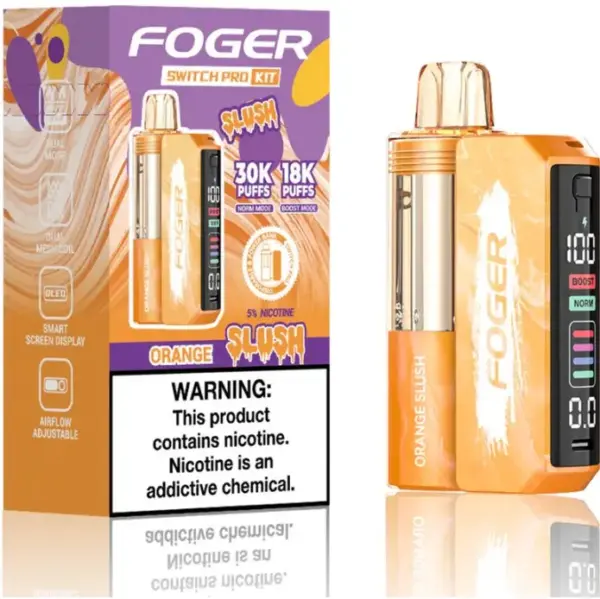
Foger Switch Pro 30K Disposable Vape – Rechargeable Pod System, 30,000 Puffs, 75 Pod Flavors, 5% Nic, 21+
Price range: $14.50 through $16.99 Select options This product has multiple variants. The options may be chosen on the product page -
Disposable Vapes
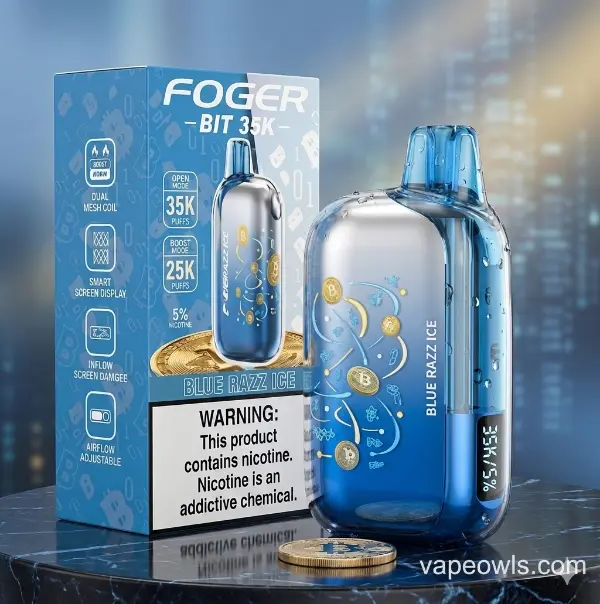
Foger Bit 35K Disposable Vape – 35,000 Puffs, Rechargeable, 21 Flavors, 5% Nic, 21+
$18.99 Select options This product has multiple variants. The options may be chosen on the product page -
Disposable Vapes
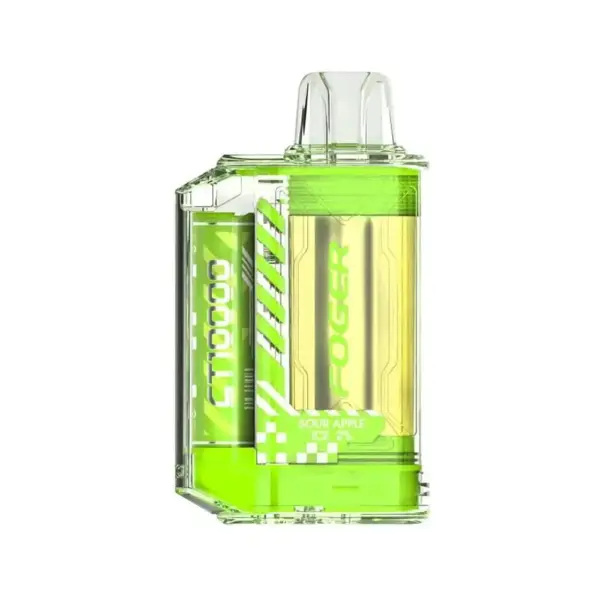
Foger CT10000 Disposable Vape
Original price was: $14.99.$8.24Current price is: $8.24. Select options This product has multiple variants. The options may be chosen on the product page